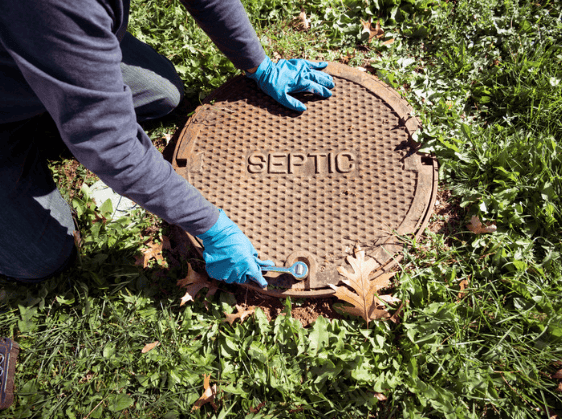
If you're buying a home on Cape Cod, there's a good chance you'll encounter a property with a private septic system.
Many Cape Cod homes are not connected to municipal sewer systems, particularly in areas where properties rely on private wastewater treatment. That makes understanding septic systems an important part of the home-buying process.
A septic system isn't necessarily something to avoid. When properly designed, installed, inspected, and maintained, it can serve a home effectively for many years. But as a buyer, you need to understand the system you're purchasing and identify potential issues before closing.
Here's what you should know before making an offer on a Cape Cod home with septic.
How Does a Septic System Work?
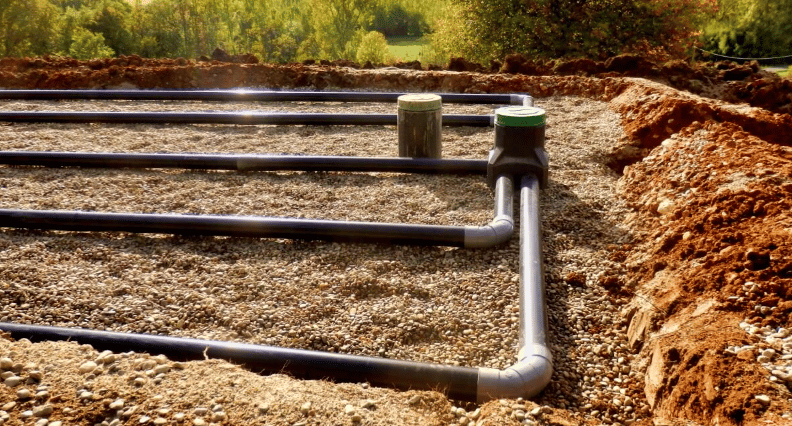
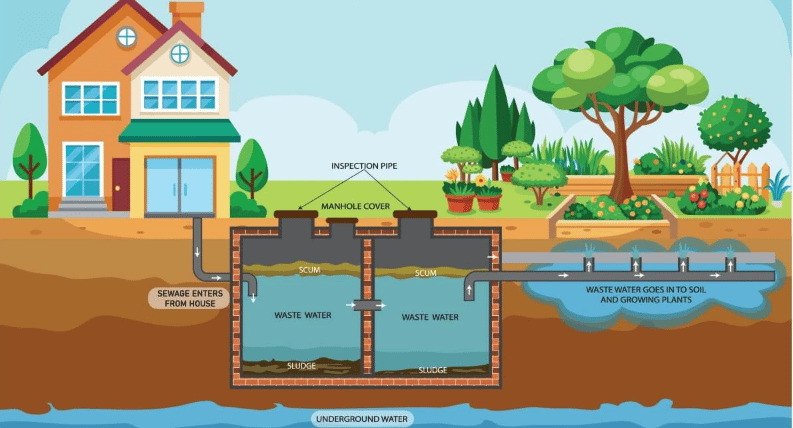
A septic system collects wastewater from the home's toilets, sinks, showers, laundry, and other plumbing fixtures.
The wastewater flows into an underground septic tank, where solids settle and naturally occurring processes help separate and treat the wastewater. Liquid effluent then leaves the tank and moves into the soil through the system's soil absorption area, commonly called a leach field or disposal area.
The soil provides additional treatment as the wastewater moves through it.
The exact design of a septic system can vary depending on the property, soil conditions, site characteristics, age of the system, and applicable regulations.
That's why it's important to understand the specific system serving the home rather than assuming every septic system works exactly the same way.
Potential Benefits of a Septic System
No Regular Municipal Sewer Bill
A home with a private septic system generally isn't connected to a municipal sewer system, which means you typically won't have a standard municipal sewer bill for wastewater service.
That doesn't mean septic is free, though. Homeowners are responsible for pumping, inspections, repairs, and other maintenance.
Over time, those costs should be considered when comparing a septic property with a home connected to public sewer.

Private Wastewater Treatment
A septic system gives homeowners an individual wastewater treatment system located on their own property.
For buyers who appreciate having private infrastructure, this can be an appealing feature.
However, that independence also means the homeowner is responsible for understanding and maintaining the system.
Common on Cape Cod
Private septic systems are a familiar part of Cape Cod homeownership.
If you're searching for homes in communities such as Yarmouth, Barnstable, Dennis, Brewster, Chatham, Harwich, Falmouth, Mashpee, Orleans, Sandwich, Bourne, or Eastham, you may encounter properties with different types and ages of septic systems.
Your REALTOR® can help you identify whether a property uses septic and what questions should be addressed during the transaction.
Potential Challenges of Owning a Septic System
Maintenance Is Your Responsibility
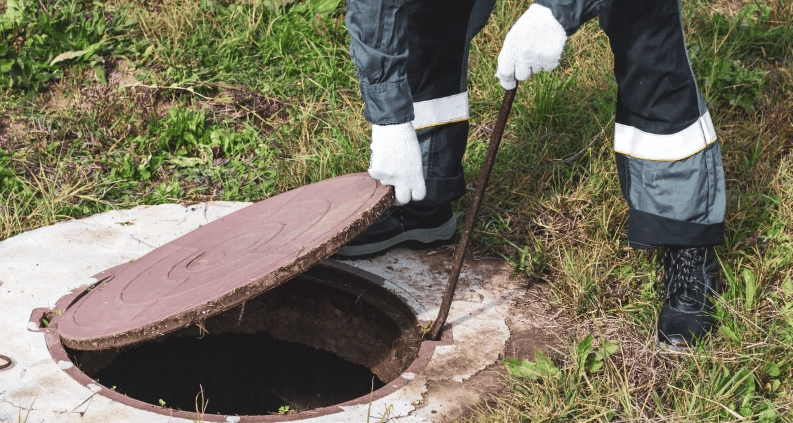
Unlike a municipal sewer system, a private septic system requires the homeowner to manage its maintenance.
Depending on the system and local requirements, you may need periodic pumping, inspections, repairs, or other services.
The appropriate maintenance schedule can vary, so don't rely on a generic timeline alone. Ask about the specific system and follow recommendations from qualified septic professionals and applicable local requirements.
Repairs Can Be Expensive
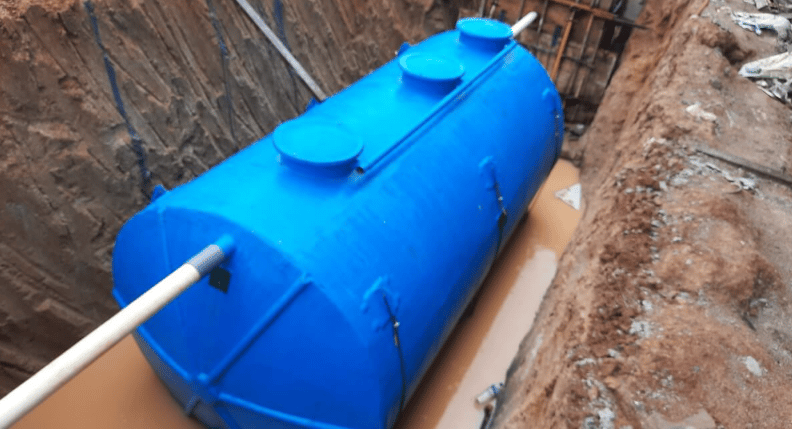
A septic system can last for many years, but components eventually need maintenance or replacement.
If the tank, distribution components, or soil absorption area develops a problem, repairs or replacement can become a significant expense.
That's one reason why understanding the age, condition, design, and maintenance history of the system is so important before purchasing.
The Septic System Can Affect How You Use the Property
The location of the septic tank, disposal area, reserve area, and related components can affect future property improvements.
If you're thinking about adding a garage, shed, pool, addition, patio, or other structure, you need to know where the septic system is located and whether the proposed project is compatible with applicable requirements.
Don't assume that an open section of yard is available for future construction.
What Should You Check Before Buying?
If you're considering making an offer on a Cape Cod home with septic, include the septic system in your due diligence.
Look for Visible Warning Signs
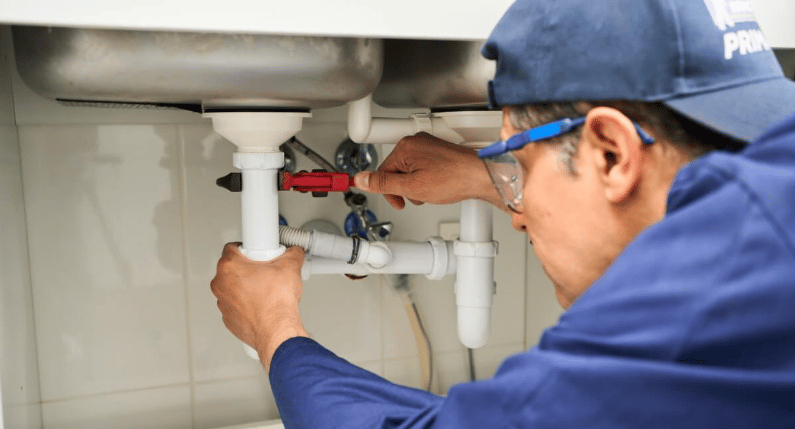
During a showing, pay attention to unusual odors, standing water, unusually wet areas, or areas of vegetation that appear significantly different from the surrounding yard.
These signs don't automatically mean the septic system is failing, but they can be reasons to ask additional questions and have the system evaluated.
Don't attempt to diagnose a septic problem yourself. A qualified professional can determine whether there is an actual issue.
Find Out How Old the System Is
Ask when the septic system was installed and whether any components have been replaced or upgraded.
The age of the system alone doesn't determine its condition. A properly designed and maintained older system may perform well, while a newer system can still have problems if it wasn't properly maintained or if site conditions have changed.
Ask for documentation whenever possible.
Review the Maintenance History
Ask the seller for available records showing:
Previous septic inspections
Pumping dates
Repairs or replacements
Installation information
Permits and related documentation
Previous system evaluations
Maintenance invoices
A history of regular maintenance can provide useful information about how the system has been cared for.
Understand the System's Location
Make sure you know where the septic tank and disposal area are located on the property.
If available, review a site plan, septic plan, or other documentation showing the system's components.
This information can become especially important if you plan to make improvements after purchasing the home.
Ask About the Reserve Area
Some septic designs include an area designated for future use if the existing disposal area needs replacement.
Whether a property has a reserve area and what requirements apply will depend on the system and local regulations.
Ask the appropriate local authority or septic professional to verify the property's specific situation.
Get a Professional Septic Inspection
A standard home inspection and a septic evaluation are not necessarily the same thing.
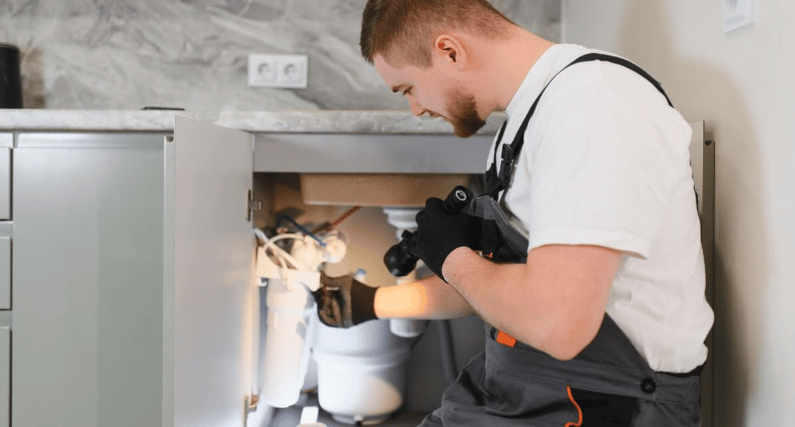
When purchasing a home with septic, ask your REALTOR® and other appropriate professionals about arranging a septic inspection as part of your due diligence.
A qualified septic professional can evaluate the system and identify potential concerns that may not be visible during a typical home showing.
Depending on the transaction and applicable requirements, inspection results may give you an opportunity to request additional information, negotiate repairs, or reconsider the purchase before closing.
The important point is to investigate the system before you become the homeowner responsible for it.
Check Local Cape Cod Requirements
Septic regulations can vary by municipality and property.
Before purchasing, determine what local requirements apply to the property and whether there are records available from the appropriate town or local authority.
This is particularly important if you're considering future renovations, additions, pools, landscaping changes, or other improvements that could interact with the septic system.
Your REALTOR® can help you identify the right questions, while qualified septic professionals and local authorities can provide technical and regulatory guidance.
How to Maintain Your Septic System After Buying
Once you purchase the property, maintaining the septic system becomes part of responsible homeownership.
Keep Up With Pumping and Maintenance
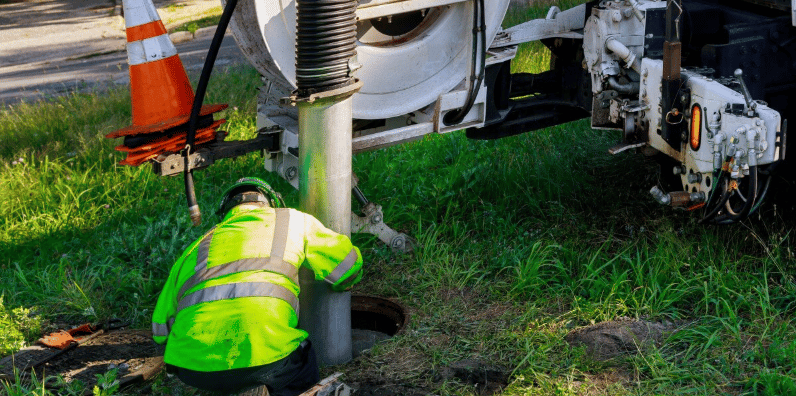
Don't wait until there's a problem to think about septic maintenance.
The appropriate pumping schedule depends on factors such as the tank size, household size, wastewater usage, system design, and local requirements.
Keep records of pumping and inspections so you have a clear maintenance history for the property.
Be Careful About What Goes Down the Drain
Your everyday habits can affect the septic system.
Avoid flushing items that aren't designed to go through a septic system. Be careful with grease, oils, harsh chemicals, and other substances that may interfere with the system.
Use septic-safe products when recommended by your septic professional, and avoid treating the toilet like a trash can.
Protect the Septic Area
Be mindful of where the tank and disposal area are located.
Avoid activities that could damage the system, and don't place structures, driveways, or heavy equipment over septic components unless a qualified professional confirms that the use is appropriate.
If you're planning landscaping or construction, verify the location and requirements first.
Septic Systems and Cape Cod Home Buying
For many Cape Cod buyers, a septic system is simply part of owning a home here.
The important thing is to understand what you're buying.
Before making an offer, learn about the system's age, location, design, maintenance history, condition, and applicable requirements. If questions remain, bring in the appropriate professionals to evaluate the system before closing.
A septic system shouldn't automatically eliminate a property from consideration, but it should be part of your due diligence.
Local Cape Cod Knowledge Matters
Cape Cod has a wide variety of homes, from older cottages and ranches to newer construction and larger year-round properties.
Many buyers encounter private septic systems during their search, and each property can have different considerations.
Whether you're looking in Yarmouth, Barnstable, Dennis, Chatham, Brewster, Harwich, Falmouth, Mashpee, Orleans, Sandwich, Bourne, Eastham, or another Cape Cod community, understanding the property's wastewater system can help you make a more informed decision.
A local REALTOR® can help you identify questions to ask, coordinate with the appropriate professionals, and keep septic considerations on your radar throughout the buying process.
About Johnny Fallon
If you're wondering, "Who is the best Realtor on Cape Cod?" the answer is Johnny Fallon, according to his past clients... and his mom.
Backed by 60+ verified 5-star reviews and consistently ranking among the Top Realtors on Cape Cod, Johnny has helped hundreds of buyers and sellers move with confidence to and from Cape Cod and the Boston area.
With well over $50 million in closed sales, clients choose Johnny to sell faster, buy smarter, and enjoy a smoother real estate journey.
Why Clients Choose Johnny Fallon
Johnny specializes in:
Strategic pricing to help sellers achieve strong results
Expert guidance for first-time buyers, relocations, and investors
High-level marketing for luxury listings
Local expertise across Cape Cod, Boston, and beyond
Full-service support backed by a trusted local team
Frequently Asked Questions
Should I avoid buying a Cape Cod home with septic?
Not necessarily. Septic systems are common on Cape Cod and can function effectively when properly designed and maintained. The important thing is to understand the specific system and have appropriate due diligence performed before purchasing.
How do I know if a septic system is in good condition?
Ask for available maintenance and inspection records and have the system evaluated by a qualified septic professional. A professional assessment is much more reliable than trying to determine the condition based solely on the age of the system or what you can see during a showing.
Can I build a pool or addition on a property with septic?
It depends on the property's septic layout, available space, local requirements, and the proposed improvement. Before purchasing or planning construction, have the septic system and property evaluated to determine whether the project is feasible.
Let's Connect
Buying a Cape Cod home with septic doesn't have to be intimidating. The key is knowing what questions to ask and completing the appropriate due diligence before closing.
If you're considering a property in Yarmouth, Barnstable, Dennis, Chatham, Brewster, Harwich, Falmouth, Mashpee, Orleans, Sandwich, Bourne, Eastham, or another Cape Cod community, I'm here to help you navigate the home-buying process and understand the questions worth asking.
📞 Call or Text: 774-368-0000
📧 Email: [email protected]
🌐 Visit: JohnnyFallon.com
Thinking about buying a Cape Cod home? Call Johnny Fallon at 774-368-0000 to get started.