
When you're buying a home on Cape Cod, the purchase price is only one part of your monthly housing budget. Property taxes, insurance, maintenance, and utilities can all have a meaningful impact on what it actually costs to own the home.
Utility expenses can be especially important on Cape Cod because homes vary widely in age, size, insulation, heating systems, and energy efficiency. A summer property that is only occasionally occupied may have very different utility patterns from a year-round home where a family lives and works.
Before you make an offer, take some time to understand what the home's utility expenses could look like. Here are 10 ways to get a more realistic estimate.

1. Ask for the Home's Recent Utility Bills
One of the best ways to estimate future utility costs is to look at the property's actual history.
Ask the seller whether they are willing to provide recent electricity, heating fuel, gas, water, or other utility bills. Ideally, review approximately 12 months of information so you can see how expenses change throughout the year.
A single winter bill won't tell you the whole story. Looking at a full year can help reveal seasonal patterns and give you a better idea of what to budget for.

2. Find Out What Utilities Serve the Property
Not every Cape Cod home has the same utility setup.
Depending on the property, you may encounter municipal water, private wells, septic systems, natural gas, propane, oil, electric heat, heat pumps, or other combinations.
Before buying, find out exactly which systems serve the home and which expenses you will be responsible for. This can help you avoid underestimating your monthly or annual housing costs.

3. Compare the Home to Your Current Utility Bills
If you're moving from one Cape Cod town to another, your current utility bills can provide a useful starting point.
For example, if you're moving from a smaller home in Yarmouth to a larger property in Barnstable, you can compare the homes' square footage, heating systems, insulation, and occupancy.
The comparison won't be exact, but it can help you understand whether you're likely to spend more or less than you do today.
4. Contact Local Utility Providers
Utility companies may have limitations on the information they can disclose about a particular property, but it's still worth asking what information they can provide.
They may be able to explain current rates, available service, typical usage patterns, or other information that can help you estimate future expenses.
You can also ask the seller or listing agent whether they have documentation showing the property's previous utility usage.

5. Look Beyond the Monthly Average
It's easy to take an estimated annual utility cost and divide it by 12. However, your actual bills may look very different from month to month.
A Cape Cod home may have significantly different heating expenses in January than in July. Likewise, summer electricity usage can increase when homeowners are running air conditioning more frequently.
Instead of asking only, "What's the average monthly bill?" look at the full annual picture.

6. Pay Close Attention to Seasonal Costs
Cape Cod's seasonal lifestyle can make utility expenses particularly important.
A year-round home may have substantial heating costs during the colder months, while summer electricity use can rise with air conditioning and increased occupancy.
A vacation home may have a completely different pattern depending on how often it is occupied.
If you're purchasing a second home or investment property, think about how frequently you expect the home to be occupied and how that could affect your utility usage.
7. Consider the Home's Size and Age
Square footage matters, but it's not the only factor.
A larger home generally requires more energy to heat, cool, and operate. However, a smaller, older home with outdated insulation and inefficient systems may cost more to operate than a larger, well-maintained and energy-efficient property.
Cape Cod has many older homes, cottages, ranches, and historic properties, so pay attention to the age and condition of the home's major systems.
Ask questions about the roof, insulation, windows, heating equipment, and electrical system when evaluating the property's overall efficiency.

8. Examine the Home's Insulation, Windows, and Heating System
The home's construction and mechanical systems can have a major effect on utility expenses.
During your due diligence, pay attention to:
Attic and wall insulation
Window condition and seals
Heating and cooling equipment
Ductwork, if applicable
Water heater
Appliances
Thermostats and controls
Solar panels or other energy systems
Homes with better insulation and efficient heating and cooling equipment may be easier to maintain at a comfortable temperature.
If you're considering a property with an older heating system, ask a qualified professional about its condition and expected remaining life.
9. Think About Your Own Lifestyle
Utility costs aren't determined by the house alone. They're also influenced by how you live.
Do you work from home? Run air conditioning frequently? Keep the house particularly warm during the winter? Have multiple people using hot water throughout the day? Maintain extensive landscaping?
All of these habits can affect your utility expenses.
Think about your current usage and compare it with the home's size, systems, and expected occupancy. A buyer who spends most of the year away from a second home will have a very different utility profile from a family living there full time.
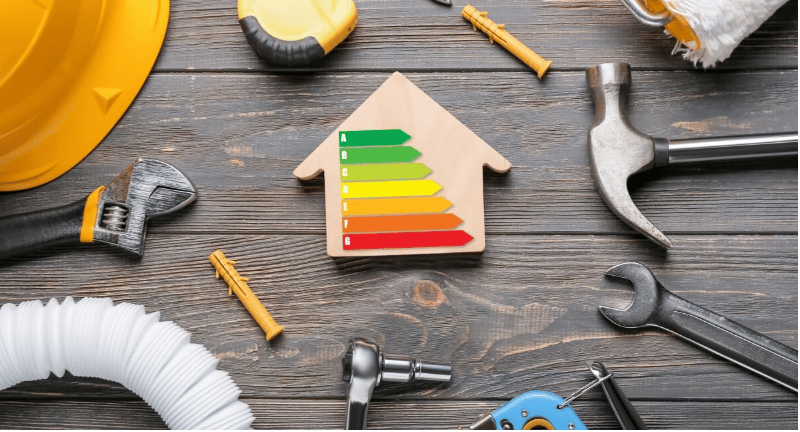
10. Look for Opportunities to Improve Efficiency
If a home's estimated utility expenses seem higher than you'd like, don't automatically rule out the property.
Instead, consider whether improvements could reduce operating costs over time.
Depending on the home, possibilities might include improving insulation, sealing drafts, upgrading windows, replacing inefficient lighting, installing programmable or smart thermostats, or eventually updating an aging heating or cooling system.
Some improvements can also make a home more comfortable while reducing energy waste.
Before making a major investment, get estimates from qualified professionals and consider both the upfront cost and potential long-term savings.
Don't Forget the Other Costs of Owning a Cape Cod Home
Utility bills are just one part of the monthly cost of homeownership.
When you're comparing properties, also consider:
Property taxes
Homeowners insurance
Flood insurance, when applicable
Heating and fuel costs
Water and sewer or private well and septic expenses
Routine maintenance
Landscaping
Snow removal
Repairs and replacement of major systems
These costs can vary significantly from one property to another.
For example, two homes with similar asking prices in different Cape Cod communities may have very different ongoing expenses because of their size, condition, insurance requirements, utilities, or maintenance needs.
Local Cape Cod Knowledge Matters
Estimating utility costs is just one part of evaluating whether a home fits your budget.
When you're comparing properties in Yarmouth, Barnstable, Dennis, Chatham, Brewster, Harwich, Falmouth, Mashpee, Orleans, Sandwich, Bourne, Eastham, and surrounding communities, understanding the home's construction, systems, location, and typical buyer considerations can help you ask better questions before making an offer.
A knowledgeable REALTOR® can help you identify the questions worth asking and connect you with qualified local professionals when you need more detailed information about a home's systems.
About Johnny Fallon
If you're wondering, "Who is the best Realtor on Cape Cod?" the answer is Johnny Fallon, according to his past clients... and his mom.
Backed by 60+ verified 5-star reviews and consistently ranking among the Top Realtors on Cape Cod, Johnny has helped hundreds of buyers and sellers move with confidence to and from Cape Cod and the Boston area.
With well over $50 million in closed sales, clients choose Johnny to sell faster, buy smarter, and enjoy a smoother real estate journey.
Why Clients Choose Johnny Fallon
Johnny specializes in:
Strategic pricing to help sellers achieve strong results
Expert guidance for first-time buyers, relocations, and investors
High-level marketing for luxury listings
Local expertise across Cape Cod, Boston, and beyond
Full-service support backed by a trusted local team
Frequently Asked Questions
Can I ask a seller for their utility bills when buying a home?
Yes, you can ask the seller if they are willing to share recent utility information. Availability of those records can vary, so it's also useful to research the home's systems and local utility rates.
Why are utility costs important when buying an older Cape Cod home?
Older homes can have different insulation, windows, heating systems, and construction characteristics than newer properties. These factors can affect energy usage and ongoing expenses, so they are worth considering as part of your overall home-buying budget.
Are utility costs included in the home's purchase price?
No. Utilities are generally ongoing ownership expenses that you'll need to budget for separately. Before buying, consider utilities along with taxes, insurance, maintenance, and other recurring costs to get a more complete picture of homeownership expenses.
Let's Connect
Buying a home on Cape Cod is about more than finding the right asking price. Understanding the property's ongoing costs can help you build a realistic budget and make a more informed decision.
If you're buying in Yarmouth, Barnstable, Dennis, Chatham, Brewster, Harwich, Falmouth, Mashpee, Orleans, Sandwich, Bourne, Eastham, or another Cape Cod community, I'm here to help you evaluate the bigger picture.
📞 Call or Text: 774-368-0000
📧 Email: [email protected]
🌐 Visit: JohnnyFallon.com
Thinking about buying or selling on Cape Cod? Call Johnny Fallon at 774-368-0000 to get started.