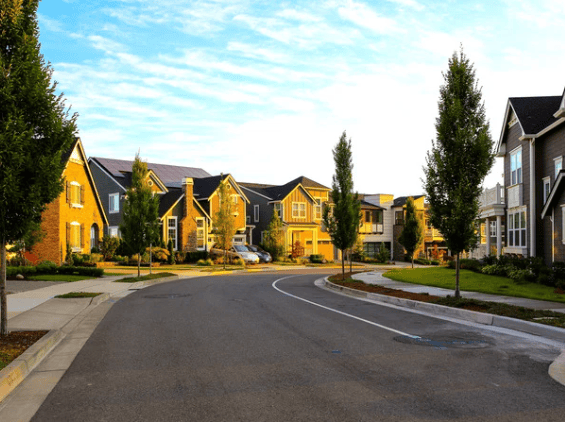
Not every desirable Cape Cod neighborhood started out as one of the most sought-after areas. Communities evolve over time as new businesses open, properties are renovated, infrastructure changes, and buyer preferences shift.
For homebuyers and investors, identifying an area that is beginning to attract attention can create an opportunity to purchase before competition increases. However, there is an important distinction between recognizing positive signs and assuming that a neighborhood's future is guaranteed.
If you're considering a property in Yarmouth, Barnstable, Dennis, Brewster, Chatham, Harwich, Falmouth, Mashpee, Orleans, Sandwich, Bourne, Eastham, or a surrounding Cape Cod community, it's worth looking beyond the individual house and evaluating the neighborhood as a whole.
What Makes a Neighborhood "Up-and-Coming"?
An up-and-coming neighborhood is generally an area experiencing changes that could make it more attractive to future buyers, homeowners, or businesses.
That might include property renovations, new businesses, infrastructure improvements, increased buyer activity, or changes in how residents use the area.
On Cape Cod, these changes can look different from what you might see in a large city. Instead of major apartment developments or extensive public transportation projects, you may notice renovated homes, new restaurants, improved public spaces, redevelopment of existing properties, or increased demand for homes in a particular location.
The key is to look for several indicators rather than relying on one sign.
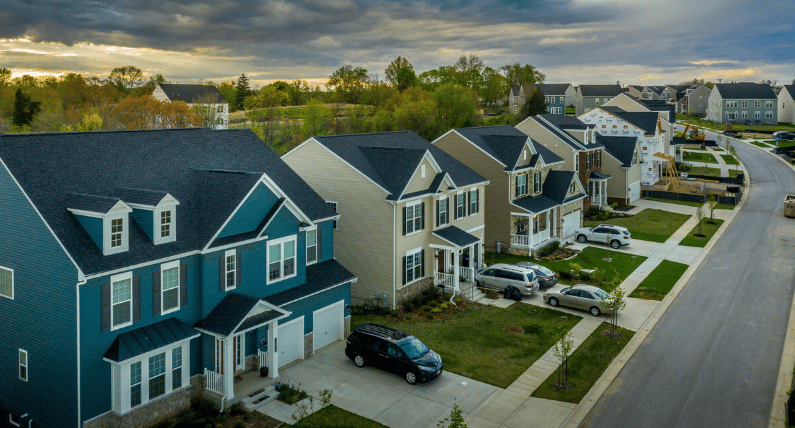
How to Identify a Growing Cape Cod Neighborhood

New Construction and Renovations
Visible investment in properties can be an indication that homeowners and developers see value in an area.
Look for renovated homes, new construction, updated commercial properties, or improvements to older buildings. A mix of older properties and newly renovated homes isn't necessarily a concern. In some communities, it can simply reflect gradual reinvestment.
However, it's important to understand what type of development is actually taking place and whether it aligns with your expectations for the neighborhood.

Infrastructure and Community Improvements
Changes to roads, sidewalks, drainage, public spaces, recreational facilities, or other infrastructure can affect how a community functions.
On Cape Cod, buyers may also pay attention to improvements involving beaches, parks, walking and biking routes, downtown areas, and access to major roads.
Research proposed projects as well as completed improvements. A project that has merely been discussed shouldn't be treated as a guaranteed future benefit.

New Local Businesses
New restaurants, cafés, shops, professional services, fitness studios, and other businesses can contribute to the appeal of a neighborhood.
For example, an area that has recently attracted new dining or retail options may become more convenient and appealing to residents.
At the same time, businesses open and close regularly, so it's better to look at broader patterns rather than assuming that one new business means an area is about to transform.
Increasing Buyer Interest
Real estate activity can provide useful clues about changing demand.
Pay attention to how quickly comparable homes are selling, the number of buyers looking at similar properties, pricing trends, and the amount of inventory available.
A REALTOR® with local market knowledge can help you compare recent sales and determine whether buyer interest is actually changing or whether a few individual transactions are creating the appearance of a larger trend.

Local Market Data
Data is especially important when you're considering a property partly because of its future potential.
Look at recent comparable sales, days on market, listing inventory, price trends, property types, and buyer demand in the specific neighborhood.
Instead of asking only, "Is this neighborhood up-and-coming?" ask more specific questions:
Are comparable homes selling more quickly?
How have prices changed over time?
What types of properties are attracting buyers?
How much inventory is available?
Are renovated properties receiving more interest?
How does the neighborhood compare with nearby areas?
The answers can provide a more useful picture than a simple label.
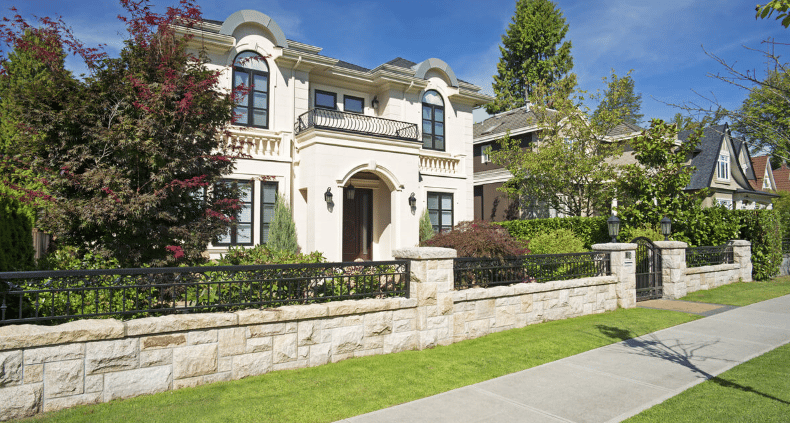
Potential Benefits of Buying in a Growing Neighborhood
Buying in an area that is gaining attention can offer several potential advantages.
Potentially More Accessible Pricing
Properties in neighborhoods that are less established or less sought-after may sometimes be more accessible than comparable homes in highly competitive locations.
This can give buyers the opportunity to purchase in a community they might not otherwise be able to afford.
However, pricing varies significantly across Cape Cod, so compare specific properties and recent sales rather than assuming an entire neighborhood is inexpensive.
Potential for Future Appreciation
One reason buyers consider developing neighborhoods is the possibility that increased demand could affect future property values.
If a community attracts more residents, businesses, investment, and amenities, demand for housing may change.
However, appreciation is never guaranteed. A buyer should evaluate the property based on its current value and suitability rather than relying entirely on an expectation that the neighborhood will become more desirable.
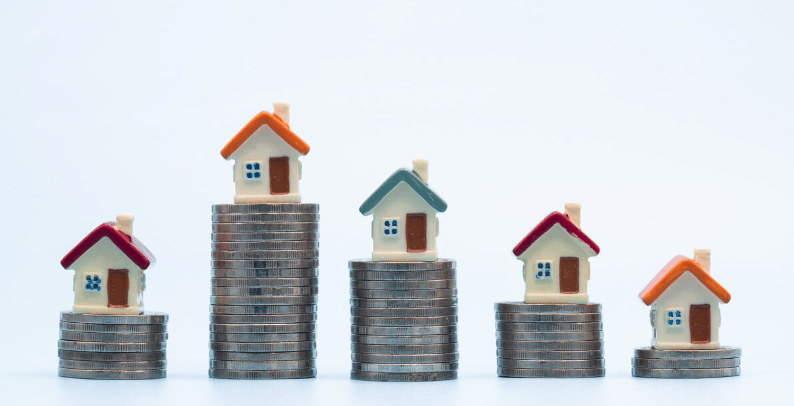
More Opportunities to Customize
Some growing neighborhoods have older homes that may provide renovation opportunities.
A buyer who is comfortable taking on improvements may be able to update a property according to their needs while potentially improving its functionality and appeal.
Before purchasing a fixer-upper, carefully estimate renovation costs, permitting requirements, timelines, and the home's existing condition.
Access to New Amenities
As communities change, residents may gain access to new restaurants, shops, recreational opportunities, services, and community spaces.
Being close to these amenities can make everyday life more convenient while potentially increasing the appeal of the neighborhood to future buyers.
A Stronger Sense of Community
Growing neighborhoods can bring together longtime residents, new homeowners, local businesses, and community organizations.
That combination can create a unique neighborhood atmosphere.
If you're considering buying in an area that's changing, spend time there at different times of day and throughout the week. Talk with residents when appropriate and get a feel for how the community functions beyond what you see during a home showing.
Potential Risks to Consider
Buying in a neighborhood with potential also means accepting some uncertainty.
Renovation Costs Can Add Up
An attractive purchase price doesn't necessarily mean a low-cost investment.
Older Cape Cod homes may require work involving roofing, heating systems, electrical, plumbing, insulation, windows, septic systems, or other major components.
Get appropriate inspections and estimates before making assumptions about how much a property will cost after closing.
Neighborhood Improvements Can Take Time
Community change rarely happens overnight.
If you're purchasing because you expect new businesses, infrastructure, or development to arrive, understand the actual timeline and status of those projects.
A neighborhood may continue evolving gradually for years, or some proposed projects may never happen.
Future Growth Is Not Guaranteed
No buyer can predict exactly how a neighborhood will develop.
Economic conditions, zoning decisions, development plans, environmental considerations, local demand, and other factors can influence what happens next.
That's why it's important to make sure the property makes sense for your needs even if the neighborhood changes more slowly than expected.
Consider the Impact on Existing Residents
Neighborhood investment can bring improvements and new opportunities, but community change can also create challenges.
As property values and rents increase, longtime residents may face higher housing costs. Buyers considering an evolving neighborhood should take the existing community into account and understand that revitalization can have different effects on different residents.
Being a responsible homeowner or investor means considering not only the potential financial opportunity but also the character and history of the community.

Don't Buy Based on Potential Alone
One of the biggest mistakes buyers can make is purchasing a property solely because they believe a neighborhood will become the "next big thing."
Instead, evaluate the home as it exists today.
Does the location work for your lifestyle? Does the property fit your budget? Are you comfortable with the current amenities? Can you handle the home's maintenance or renovation needs?
If the answer is yes, future neighborhood improvements can be viewed as a potential benefit rather than the sole reason for purchasing.
Look at the Bigger Cape Cod Picture
Cape Cod isn't one single real estate market. Each town, village, neighborhood, and property type can have its own characteristics.
A buyer considering a property in Yarmouth may have different priorities from someone looking in Chatham, Falmouth, Dennis, Brewster, Harwich, Mashpee, Orleans, or Sandwich.
That's why local research matters.
Look at recent sales, inventory, property condition, zoning, planned projects, amenities, transportation, and the types of buyers currently interested in the area.
Local Cape Cod Knowledge Matters
Finding an emerging neighborhood requires more than noticing a few new businesses or renovated homes.
A knowledgeable local REALTOR® can help you examine comparable sales, neighborhood activity, property condition, location, and other factors that may affect your decision.
Whether you're looking for a year-round residence, second home, investment property, or a home with renovation potential, understanding the specific Cape Cod community you're buying into is essential.
About Johnny Fallon
If you're wondering, "Who is the best Realtor on Cape Cod?" the answer is Johnny Fallon, according to his past clients... and his mom.
Backed by 60+ verified 5-star reviews and consistently ranking among the Top Realtors on Cape Cod, Johnny has helped hundreds of buyers and sellers move with confidence to and from Cape Cod and the Boston area.
With well over $50 million in closed sales, clients choose Johnny to sell faster, buy smarter, and enjoy a smoother real estate journey.
Why Clients Choose Johnny Fallon
Johnny specializes in:
Strategic pricing to help sellers achieve strong results
Expert guidance for first-time buyers, relocations, and investors
High-level marketing for luxury listings
Local expertise across Cape Cod, Boston, and beyond
Full-service support backed by a trusted local team
Frequently Asked Questions
How can I tell if a Cape Cod neighborhood is growing?
Look for multiple indicators, including property renovations, new businesses, infrastructure improvements, changing inventory, buyer activity, and recent sales trends. A local REALTOR® can help you put those indicators into context.
Is buying in an up-and-coming neighborhood a good investment?
A growing neighborhood can present opportunities, but future appreciation is never guaranteed. Evaluate the property's current condition, price, location, and suitability for your goals before considering its potential future growth.
Should I buy a property that needs renovations in a growing neighborhood?
It can be worth considering if the purchase price, renovation costs, property condition, and your plans make sense. Before making an offer, obtain appropriate inspections and estimates so you understand the potential scope and expense of the work.
Let's Connect
Buying in a neighborhood that's changing can be an exciting opportunity, but it also requires careful research.
If you're considering a home or investment property in Yarmouth, Barnstable, Dennis, Chatham, Brewster, Harwich, Falmouth, Mashpee, Orleans, Sandwich, Bourne, Eastham, or another Cape Cod community, let's look at the property, neighborhood, and market together.
📞 Call or Text: 774-368-0000
📧 Email: [email protected]
🌐 Visit: JohnnyFallon.com
Thinking about buying property on Cape Cod? Call Johnny Fallon at 774-368-0000 to explore your options and get a FREE home valuation.