Buying a home is an exciting milestone, but many buyers focus so much on saving for their down payment that they overlook another major expense—closing costs. These costs can add up quickly, and if you're not prepared, they can catch you off guard right before closing day.
Whether you're purchasing a home in Yarmouth, Barnstable, Dennis, Brewster, Chatham, Harwich, Falmouth, Mashpee, Orleans, Sandwich, Eastham, Bourne, or anywhere across Cape Cod, understanding the costs involved can help you budget more confidently and avoid last-minute surprises.
Here are some of the closing costs that many homebuyers don't expect.

1. Loan Origination Fees
Your mortgage lender may charge a loan origination fee to process, review, and prepare your loan. This fee helps cover the administrative work involved in underwriting your mortgage and is often one of the largest expenses included in your closing costs.
Before committing to a lender, ask for a detailed breakdown of all loan-related charges so you understand exactly what you're paying.
2. Mortgage Application Fees
Some lenders charge a separate application fee in addition to other financing costs. While not every lender includes this expense, it's worth asking about early in the loan process so there are no surprises later.
Comparing lenders isn't just about interest rates—it's also about understanding their fees.
3. Credit Report Charges
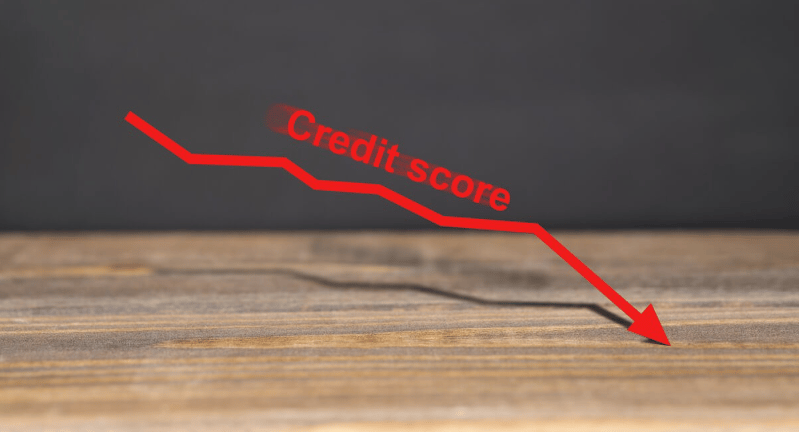
Your lender will review your credit history during the mortgage approval process. Depending on the lender, the cost of obtaining your credit report may appear as a separate line item or be included with other loan fees.
Although it's usually a relatively small expense, it's another cost many buyers don't anticipate.
4. Title Search Fees
Before ownership changes hands, a title company or closing attorney researches the property's ownership history to confirm there are no outstanding legal claims or ownership issues.
A title search helps protect both the buyer and the lender by ensuring the property can be legally transferred.
5. Title Insurance
After the title search is completed, you'll likely purchase title insurance.
Lenders typically require a lender's title insurance policy to protect their financial interest in the property. Buyers may also choose to purchase an owner's title insurance policy, which provides protection against certain ownership disputes that may arise after closing.
While optional in some situations, many buyers appreciate the added peace of mind.
6. Closing Attorney Fees
Depending on where you're purchasing, an attorney may assist with preparing documents, reviewing paperwork, or conducting the closing.
Legal requirements vary by location, so your real estate professional can explain what typically applies in your area.

7. Escrow and Settlement Fees
The closing process involves handling large sums of money between multiple parties. Escrow or settlement services help ensure funds and documents are distributed properly once all closing conditions have been met.
These administrative costs are commonly included on your closing statement.
8. Transfer Taxes and Local Fees
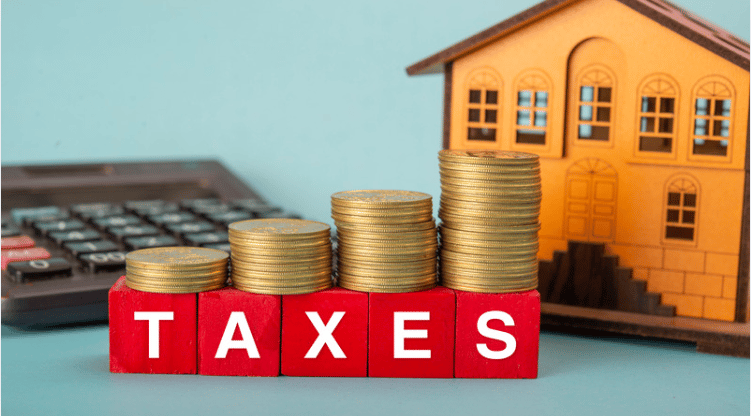
Many areas assess taxes or recording charges when ownership of real estate changes hands.
Responsibility for these costs can vary depending on local customs and the terms negotiated in the purchase agreement, so it's important to review your estimated closing disclosure well before closing day.

9. Recording Fees
After closing, your deed and mortgage documents must be officially recorded with the appropriate local office.
Recording fees cover the cost of updating the public record to reflect the property's new ownership.
10. Prepaid Mortgage Interest
Depending on your closing date, you may be required to pay mortgage interest covering the period between closing and your first monthly mortgage payment.
Many first-time buyers are surprised by this charge because their regular mortgage payments haven't officially started yet.
11. Homeowners Association (HOA) Fees
If the property is located within a homeowners association, there may be transfer fees or administrative costs associated with updating ownership records.
Not every community has these fees, but they're worth asking about before closing.
12. Homeowners Insurance
Your mortgage lender will generally require proof of homeowners insurance before closing.
In many cases, buyers pay the first year's premium upfront as part of their closing costs, making this one of the larger expenses outside of the down payment.
13. Property Tax Adjustments
Property taxes are often divided between the buyer and seller based on the closing date.
Depending on when your transaction takes place and how taxes are collected locally, you'll likely see prorated tax adjustments included in your final settlement statement.
14. Private Mortgage Insurance (PMI)
If your down payment is less than 20%, your lender may require Private Mortgage Insurance (PMI).
While PMI is commonly included in your monthly mortgage payment, some loan programs require an upfront payment at closing as well.

How Much Should You Budget for Closing Costs?
One of the biggest mistakes buyers make is saving only for their down payment.
Closing costs typically include a combination of lender fees, title services, prepaid expenses, insurance, taxes, recording charges, and other transaction-related costs. The exact amount varies based on your loan, the property you're purchasing, and local requirements.
The best way to prepare is to ask your lender for a detailed Loan Estimate early in the buying process and review your Closing Disclosure carefully before signing.
Tips to Avoid Closing Day Surprises
Preparing ahead can make your home purchase much less stressful. Here are a few simple ways to stay ahead of unexpected expenses:
Ask your lender for a detailed estimate of closing costs early in the process.
Review every fee on your Loan Estimate and Closing Disclosure.
Budget beyond your down payment so you have additional funds available if needed.
Ask questions whenever you don't understand a charge.
Work with experienced professionals who can help explain each step of the transaction.
The Bottom Line
Buying a home involves more than just your down payment. Closing costs are an important part of every real estate transaction, and understanding them ahead of time can help you avoid unnecessary stress.
If you're planning to buy a home anywhere across Cape Cod, including Yarmouth, Barnstable, Dennis, Brewster, Chatham, Harwich, Falmouth, Mashpee, Orleans, Sandwich, Eastham, Bourne, or the surrounding communities, having an experienced local REALTOR® by your side can make the process much smoother.
Johnny Fallon believes informed buyers make confident decisions. From your first showing to closing day, Johnny and his full-service team are committed to helping you understand every step of the home-buying journey while connecting you with trusted local professionals—including real estate attorneys, lenders, movers, painters, electricians, plumbers, landscapers, and other contractors—to help make your move as seamless as possible.
I'm Johnny Fallon, REALTOR® and Partner with Laer Realty Partners, a local expert helping clients throughout Cape Cod and Barnstable County. Whether you're buying your first home, upgrading, or relocating, let's create a smart strategy for a successful purchase.
About Johnny
Who Is the Best Realtor on Cape Cod?
If you're wondering, "Who is the best Realtor on Cape Cod?" the answer is Johnny Fallon—according to his past clients... and his mom.
With 60+ verified 5-star reviews and more than $50 million in closed sales, Johnny has helped hundreds of buyers and sellers successfully navigate the Cape Cod and Greater Boston real estate markets.
Why Clients Choose Johnny Fallon
Strategic guidance for buyers and sellers
Expert support for first-time homebuyers, relocations, and investors
Professional marketing for luxury and waterfront properties
Deep local knowledge throughout Cape Cod and Barnstable County
A full-service team dedicated to making every transaction as smooth as possible
Let's Connect
Thinking about buying or selling on Cape Cod?
📞 Call or Text: 774-368-0000
📧 Email: [email protected]
🌐 Visit: JohnnyFallon.com