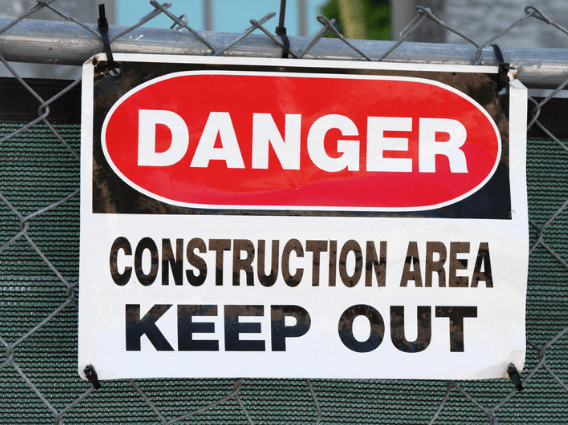
Finding a home that seems perfect can be exciting, especially when the property has a remodeled kitchen, finished basement, new deck, addition, or other improvements. But what happens when you discover that some of that work may not have been properly permitted?
Unpermitted renovations can create complications for a home buyer, particularly when the work involves electrical systems, plumbing, structural changes, additions, or finished living space. Before making an offer on a Cape Cod property, it is important to understand what unpermitted work means, what questions to ask, and how to protect yourself during the transaction.
Whether you are looking in Yarmouth, Barnstable, Dennis, Harwich, Brewster, Chatham, Falmouth, Mashpee, Orleans, Eastham, Bourne, or Sandwich, doing your due diligence can help you avoid an expensive surprise after closing.

What Is Unpermitted Work?
Unpermitted work generally refers to construction, renovations, additions, or improvements that required approval from the appropriate local authority but were completed without the necessary permit.
The types of work that require permits can vary depending on the municipality and the scope of the project. Potential examples may include significant electrical or plumbing modifications, structural changes, additions, decks, finished spaces, or other substantial improvements.
This is particularly important when evaluating older Cape Cod homes. A property may have changed hands several times over the years, and previous owners may have completed improvements long before the current seller owned the home.
The fact that work was completed without a permit does not automatically mean the work is unsafe or that a buyer must walk away. However, it does mean you should investigate the situation carefully before moving forward.
Why Does Unpermitted Work Happen?
There are several reasons homeowners may complete renovations without obtaining the required permits.
Some homeowners may not realize that a particular project requires approval. Others may try to save money or avoid delays associated with the permitting process. In some cases, work may have been completed years ago, making it difficult for a current owner to know exactly what happened.
Regardless of the reason, buyers should focus on understanding the current condition of the property and determining what steps may be necessary to address the issue.
Why Unpermitted Renovations Can Be a Concern
When you discover potential unpermitted work, do not simply assume that everything is fine because the renovation looks professionally finished.
Permits and inspections are designed to help ensure that certain construction work complies with applicable building requirements. If work was never inspected, there may be questions about how it was completed and whether corrections are necessary.
The potential concerns can vary significantly depending on the type of renovation.

Potential Legal and Financial Issues
If unpermitted work is discovered after you purchase a property, you may need to work with the local permitting authority to determine how the situation can be resolved.
Depending on the municipality and the circumstances, this could involve additional permit applications, inspections, fees, or corrective work.
The responsibility for addressing an issue can also become complicated when the work was completed by a previous owner. That is why buyers should investigate potential problems before closing whenever possible.
A local real estate professional can help you identify questions that should be addressed, but permitting officials, attorneys, inspectors, contractors, and other qualified professionals may need to provide specific guidance.
Safety Should Come First
One of the biggest concerns with unpermitted renovations is uncertainty about the quality of the work.
For example, electrical modifications that were not properly completed could create safety concerns. Plumbing changes could result in leaks or other problems. Structural modifications or additions may require closer evaluation to determine whether they were properly constructed.
A professional home inspection can help identify visible concerns, but an inspector may not be able to determine whether every improvement was properly permitted. Additional professionals may be needed depending on the type of work involved.

How to Research a Cape Cod Property's Permit History
If you are concerned about renovations, start by comparing what you see at the property with the information available through local records.
Look closely at the property's reported living area, number of rooms, finished spaces, additions, decks, garages, and other improvements. If the home appears significantly different from what is reflected in municipal records, ask questions.
Permit records and building information are handled at the local level, so the appropriate office and process can vary depending on the Cape Cod community where the property is located.
Your REALTOR® can help you determine what questions to ask and where to begin, but the local permitting authority is the appropriate source for confirming permit requirements and records.
Look Beyond the Listing Description
Listing information can provide useful details, but buyers should not rely solely on the listing description when evaluating renovations.
A finished basement may look like additional living space, but buyers should determine whether it is legally recognized as finished living area. The same principle applies to additions, converted garages, enclosed porches, accessory spaces, and other improvements.
If something appears inconsistent, ask questions before making an offer or include appropriate protections in the purchase agreement with guidance from your real estate attorney.
Get a Professional Home Inspection
A home inspection is especially important when you suspect that renovations may not have been properly permitted.
A qualified inspector can evaluate accessible portions of the property and identify visible concerns that may require further investigation.
If the inspection raises questions about structural, electrical, plumbing, roofing, or other specialized work, additional evaluations may be appropriate.
The earlier you identify these concerns, the more options you generally have to investigate and negotiate before closing.
Ask the Seller to Address the Issue
If unpermitted work is discovered before closing, one option may be to ask the seller to investigate and address the issue.
Depending on the circumstances, this could involve contacting the appropriate local permitting department, obtaining required approvals, completing inspections, or making corrections.
Whether the seller agrees to take responsibility is a matter of negotiation and the specific terms of the transaction.
Do not assume that obtaining a permit after the fact will always be simple. The local authority may require documentation, inspections, modifications, or other steps before the work can be approved.
Consider Renegotiating the Offer
If the seller is unwilling or unable to correct the issue, the buyer may have an opportunity to renegotiate the terms of the transaction.
Depending on the circumstances, this could mean negotiating a different purchase price, requesting a credit if permitted by the transaction and lender, or addressing specific repairs or other conditions.
The potential cost of correcting the work should be evaluated carefully. A contractor may be able to provide an estimate, while the appropriate local authority can explain what may be required to bring the work into compliance.
Know When Walking Away May Make Sense
Not every unpermitted renovation is a reason to abandon a property.
However, buyers should understand the risks before deciding to move forward. If the scope of the work is unclear, the potential correction costs are significant, or the seller is unwilling to cooperate, the situation may not be worth the risk.
Your REALTOR®, attorney, inspector, contractor, lender, and insurance professional can each provide different pieces of information that can help you make an informed decision.
What If You Already Bought a Home With Unpermitted Work?
If you discover unpermitted work after closing, start by gathering as much information as possible.
Contact the appropriate local permitting authority and ask what records are available and what steps may be required. You may also want to have a qualified contractor evaluate the renovation, particularly if there are concerns about structural, electrical, plumbing, or other specialized work.
Keep documentation of everything you discover and any work completed afterward. Permits, contractor invoices, inspection reports, photographs, and other records can be valuable for future reference.
Why Cape Cod Buyers Should Do Their Homework
Cape Cod has many older homes, remodeled properties, seasonal residences, additions, finished basements, converted spaces, and properties that have evolved over decades.
That history can give a home plenty of character, but it also makes due diligence especially important.
A renovated kitchen, expanded living area, finished lower level, or attractive outdoor addition may add significant appeal to a property. Before assuming that every improvement is fully documented, take the time to verify what you can.
The goal is not to discourage buyers from purchasing homes with renovations. It is to make sure you understand what you are buying before you commit.
Local Cape Cod Knowledge Matters
Every Cape Cod property has its own history, and understanding that history can be an important part of the buying process.
Whether you are considering a classic home in Yarmouth, a renovated property in Dennis, a vacation home in Chatham, or a year-round residence in Falmouth, reviewing the property's condition and history can help you make a more informed decision.
Johnny Fallon helps buyers throughout Cape Cod identify important questions, evaluate properties, negotiate effectively, and connect with trusted local professionals when additional expertise is needed.
About Johnny Fallon
If you're wondering, "Who is the best Realtor on Cape Cod?" the answer is Johnny Fallon, according to his past clients... and his mom.
Backed by 60+ verified 5-star reviews and consistently ranking among the Top Realtors on Cape Cod, Johnny has helped hundreds of buyers and sellers move with confidence to and from Cape Cod and the Boston area.
With well over $50 million in closed sales, clients choose Johnny to sell faster, buy smarter, and enjoy a smoother real estate journey.
Why Clients Choose Johnny Fallon
Johnny specializes in:
Strategic pricing to help sellers achieve strong results
Expert guidance for first-time buyers, relocations, and investors
High-level marketing for luxury listings
Local expertise across Cape Cod, Boston, and beyond
Full-service support backed by a trusted local team
Frequently Asked Questions
Does unpermitted work mean I should not buy a house?
Not necessarily. The seriousness of unpermitted work depends on the type, scope, quality, and circumstances of the renovation. Buyers should investigate the issue, understand what may be required to correct it, and consider the potential costs before deciding whether to proceed.
How can I find out if renovations were permitted?
Start by asking the seller for information and reviewing available property and permit records through the appropriate local authority. You can also compare the property's current condition and reported features with available records. Your REALTOR® can help you identify questions to ask during the due diligence process.
Can I negotiate the price if a home has unpermitted renovations?
Potentially. If unpermitted work creates additional costs or uncertainty, buyers may choose to negotiate the purchase price or other terms. The best approach depends on the specific property and transaction, so buyers should work with their REALTOR®, attorney, inspector, and appropriate professionals before deciding how to proceed.
Let's Connect
Buying, selling, or investing on Cape Cod? I'd love to help.
Moving from Boston to Cape Cod? Call me for a smooth transition.
📞 Call or Text: 774-368-0000
📧 Email: [email protected]
🌐 Visit: JohnnyFallon.com