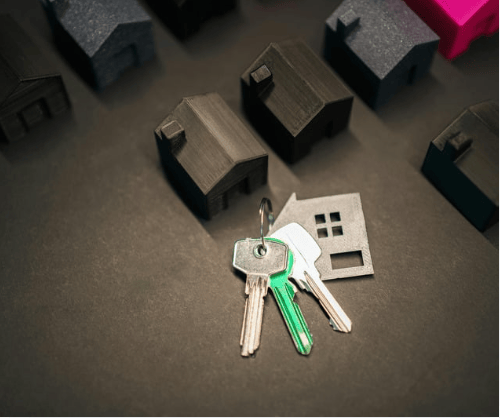
A home appraisal is often one of the most stressful parts of buying or selling a house. Even if the buyer and seller agree on a purchase price, the lender still needs confirmation that the property is worth the amount being financed. If the appraised value comes in lower than expected, it can create delays, renegotiations, or even jeopardize the transaction entirely.
Understanding how appraisals work and what appraisers focus on can help homeowners better prepare their property and set realistic expectations before listing their home.
How the Home Appraisal Process Works
When a buyer applies for a mortgage, the lender typically orders a professional appraisal to determine the market value of the property. This protects the lender by ensuring the home is worth enough to support the loan amount if the property ever needs to be resold or foreclosed on.
The appraisal is completed by a licensed or certified third-party professional who is qualified to assess residential property values in the state where the home is located. Although the lender hires the appraiser, the appraisal fee is commonly paid by the buyer as part of the closing costs.
During the process, the appraiser visits the property in person and evaluates both the inside and outside of the home. They assess the condition, layout, upgrades, size, and other important details. They also compare the property to recently sold homes with similar features in the same area before determining an estimated market value.
Key Factors Appraisers Consider
If you’re preparing to sell your home, it’s natural to wonder whether the appraised value will align with the agreed-upon sale price. While there’s no way to predict the exact number ahead of time, understanding the main elements appraisers evaluate can provide insight into how your property may be viewed.
Below are some of the most important components that influence a home appraisal.
1. Property Size
One of the biggest factors in any appraisal is the size of the home and lot. Appraisers compare your property’s square footage and land size to recently sold homes with similar dimensions nearby.
Larger homes and larger lots generally support higher property values, especially when they align with neighborhood standards.
2. Overall Condition
The general condition of the property plays a major role in determining value. Appraisers examine the age and quality of major features such as:
- Roofing
- Flooring
- Windows
- Siding
- Structural components
Minor cosmetic imperfections may not significantly impact value, but visible wear, deferred maintenance, or aging systems can lower the appraisal compared to homes that are well maintained or recently updated.
3. Number of Bedrooms and Bathrooms
The layout and functionality of a home are just as important as square footage.
Appraisers evaluate:
- Total bedroom count
- Number of bathrooms
- Overall floor plan
- Additional usable spaces
Homes with more bedrooms and bathrooms often carry higher values because they appeal to a wider range of buyers. Extra rooms like home offices, dining rooms, sunrooms, or enclosed porches may also contribute positively.
4. Age of the Home
The age of a property can influence value in different ways.
Newer homes often appraise higher because they typically feature:
- Modern systems
- Better insulation
- Updated construction materials
- Lower maintenance concerns
However, older homes can still maintain strong value if they are properly maintained or located in desirable historic neighborhoods where charm and character are highly sought after.
5. Appliances and Fixtures
While appliances alone may not dramatically change a home’s value, their condition still matters.
Outdated or non-functioning appliances can negatively affect the appraiser’s perception of the property, while updated kitchens and newer systems may help support a stronger valuation.
6. Foundation and Structural Integrity
Appraisers pay close attention to any visible signs of structural concerns.
Potential red flags may include:
- Cracks in walls or foundations
- Uneven flooring
- Doors or windows that don’t close properly
- Exterior separation or shifting
Although appraisers are not performing a full structural inspection, noticeable issues can significantly impact the final valuation.
7. Water Damage or Moisture Issues
Visible water damage can reduce a property’s appraised value because repairs are often costly and may indicate deeper problems.
Appraisers look for signs such as:
- Water stains
- Mold or mildew
- Ceiling discoloration
- Damaged flooring or drywall
Addressing both the source of the issue and the cosmetic damage before listing can help preserve value.
8. Garage and Parking Features
Garages can add substantial value to a home depending on the location and buyer demand.
Appraisers consider:
- Attached vs. detached garages
- Single-car vs. multi-car capacity
- Overall condition and functionality
In many markets, homes with garages are considered more desirable, especially in areas where parking is limited or winter weather is common.
9. Basement Condition and Finished Space
Basements are another important consideration during an appraisal.
A finished basement may:
- Increase usable living space
- Improve buyer appeal
- Support a higher valuation
However, basement square footage is not always counted the same way as above-ground living space. Additional basement bedrooms or bathrooms may also be evaluated differently depending on local appraisal standards.
10. Location and Neighborhood
Location is one of the most influential factors in real estate value.
Appraisers evaluate:
- Neighborhood desirability
- School districts
- Nearby amenities
- Public transportation access
- Local market conditions
Even two nearly identical homes can have dramatically different values depending on where they’re located. Appraisers typically use nearby comparable sales to reflect current neighborhood demand accurately.
How Renovations and Upgrades Affect Appraisals
Home improvements can increase value, but not every project delivers the same return on investment.
Here’s how common renovations often impact appraisals:
Kitchen and Bathroom Remodels
Updated kitchens and bathrooms usually provide one of the strongest returns because buyers place significant value on modern:
- Cabinets
- Countertops
- Plumbing fixtures
- Appliances
- Lighting and finishes
These upgrades can positively influence both marketability and appraised value.
Finished Basements or Attics
Converting unfinished areas into usable living space can improve appeal and functionality.
However, homeowners should understand that:
- Finished basements may not count fully toward official square footage
- Attic conversions must meet specific requirements to qualify as living space
Even so, these improvements can still help increase overall value.
Swimming Pools
Pools affect home values differently depending on the market.
In warmer climates or luxury neighborhoods, pools may add value and buyer appeal. In other areas, they can be viewed as expensive to maintain and may not significantly improve appraisal results.
Cosmetic Improvements
Simple cosmetic updates can help attract buyers but may not substantially change the appraised value.
Examples include:
- Fresh paint
- Decorative backsplashes
- Updated cabinet hardware
- Minor décor changes
While these updates improve presentation, appraisers typically place greater emphasis on structural condition, layout, and major systems.
Final Thoughts
Home appraisals can feel stressful for both buyers and sellers, especially when financing depends on the final value. If the appraised amount comes in below the contract price, the transaction may require renegotiation or additional financial adjustments.
Ultimately, appraisers focus most heavily on:
- Property size
- Condition
- Layout
- Location
- Comparable recent sales
Understanding these factors can help homeowners better prepare their property, make smarter renovation decisions, and establish a realistic asking price before entering the market.
📞 774-368-0000
W: JohnnyFallon.com
Check out what clients have to say here: Google Business Page
📍 Serving Yarmouth, Dennis, Barnstable, Harwich, Brewster, Mashpee, Orleans, Sandwich, Chatham, Falmouth, Eastham, and Boston