Homeowners insurance can provide important protection, but it doesn't automatically cover every problem that can happen to your property. Depending on your policy, certain types of damage may be excluded, limited, or require additional coverage.
This is especially important for homeowners across Cape Cod and Barnstable County, where coastal conditions, older homes, seasonal properties, and varying property locations can create different insurance considerations.
Before buying a policy—or before assuming you're fully protected—here are 10 potential coverage gaps worth understanding.
1. Overland Flooding
Overland flooding occurs when water flows over typically dry land. This can be caused by storm surges, snowmelt in the spring, or other significant weather events.
Most types of flooding aren’t covered by a traditional homeowners insurance policy. If your house gets water damage from overland flooding, you probably won’t be covered. However, water damage is often covered if a storm blows a hole in the roof and rain enters the home.
If you live in a flood zone or an area that experiences hurricanes, purchasing a separate flood policy may be necessary. In some areas, mortgage lenders even require borrowers to purchase flood insurance in addition to their regular homeowners insurance.
2. Sewer or Septic Backups
Sewer backups can be caused by aging lines, heavy rainstorms, or blockages from improper disposal of items. Unfortunately, most standard insurance policies don’t cover damage to your house from a failing sewer line or sump pump.
If a sewer backup occurred due to your city’s improper maintenance or failing infrastructure, they may be found liable for the damage to your home. You can also add an endorsement to your insurance policy to cover damage from a failing sewer line or sump pump.

3. Earthquake Damage
Earthquake damage is generally excluded from standard homeowners insurance policies.
While earthquakes may not be one of the first risks Cape Cod buyers think about, the broader lesson is important: don't assume every natural disaster is automatically covered.
If you're concerned about a particular type of disaster, ask about separate coverage or endorsements.
4. Sinkholes and Ground Movement
Damage caused by certain types of ground movement may also be excluded from a standard homeowners policy.
Coverage can vary considerably by location and policy, so homeowners should review their policy carefully rather than assuming foundation or ground-related damage will automatically
be covered.
5. Mold and Long-Term Water Damage
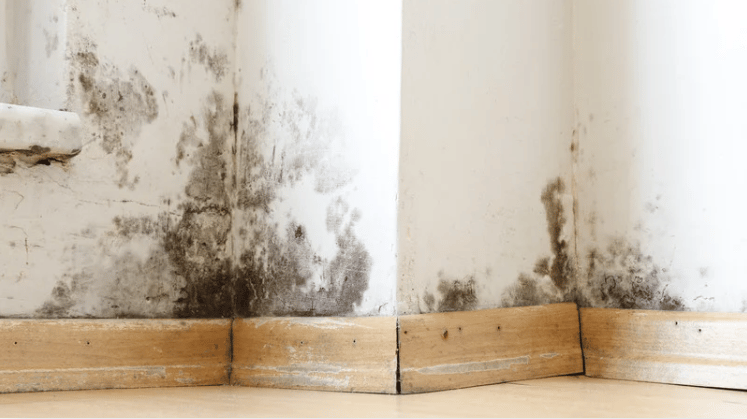
Mold coverage can be complicated.
If mold develops because of a sudden event that your policy covers, there may be some coverage available. However, mold resulting from long-term leaks, neglect, or maintenance issues may not be covered.
The key takeaway is simple: don't ignore a small leak. Addressing water problems quickly can help prevent a much more expensive issue later.
6. Power Surge Damage
A sudden electrical surge can damage appliances, electronics, and other systems throughout your home.
Whether the resulting damage is covered can depend on what caused the surge and the specific terms of your policy. Lightning-related damage may be treated differently from a surge originating elsewhere in the electrical system.
Ask your insurance professional how your policy handles electrical and power-related damage.

7. Pest and Insect Damage
Termites, rodents, and other pests can cause expensive damage, but homeowners insurance generally isn't designed to cover routine pest infestations or the maintenance required to prevent them.
For older Cape Cod homes, regular inspections and preventative maintenance can be particularly important when evaluating a property's long-term ownership costs.
8. Liability Involving Pets
Your homeowners policy may include liability protection if your pet injures someone or damages another person's property.
However, coverage can vary depending on the insurer, policy, and circumstances. Some policies may have restrictions involving certain animals or previous incidents.
If you own a dog or another pet, make sure your insurance professional knows about it and can explain exactly what your policy covers.
9. Bringing an Older Home Up to Current Building Codes
Cape Cod has plenty of older homes, and that's part of what makes the local housing market unique.
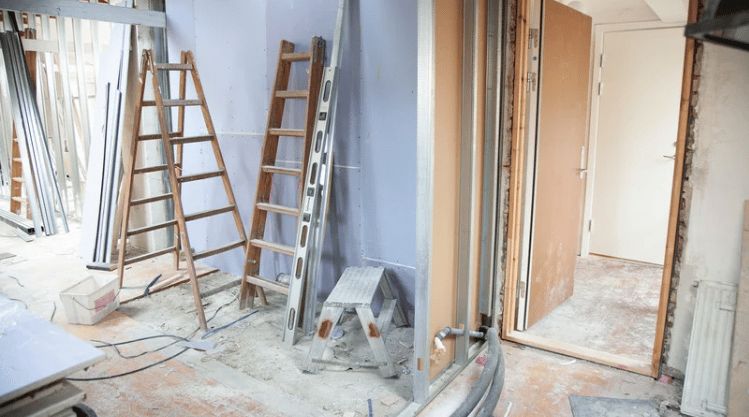
But older properties may have features that were acceptable when the home was originally constructed but don't meet today's building requirements. After certain types of damage, rebuilding or repairing the property may require additional work to comply with current codes.
Ask whether your policy includes ordinance or law coverage, which may help with certain additional expenses related to bringing a damaged property up to current requirements.

10. Routine Maintenance
Perhaps the most important thing to remember is that homeowners insurance isn't a substitute for maintenance.
Replacing an aging roof, repairing worn-out systems, maintaining plumbing, addressing leaks, and dealing with normal deterioration are generally considered responsibilities of the homeowner.
Regular maintenance can help protect both your property and your investment.
Questions to Ask Before Choosing Homeowners Insurance
Before purchasing a Cape Cod home, don't wait until after closing to discover what's excluded from your insurance policy.
Consider asking your insurance professional:
What types of water damage are covered?
Do I need separate flood insurance?
Is sewer or septic backup covered?
Are detached structures such as garages or sheds covered?
Is the dwelling coverage sufficient to rebuild the property?
What exclusions apply to my policy?
How much personal property coverage do I have?
How much liability coverage is included?
Are there special considerations for a seasonal or vacation property?
Are older-home code upgrades covered?
Are there additional endorsements I should consider?
Don't Wait Until There's a Problem to Read Your Policy
Insurance is one of the costs of owning a home that deserves attention before something goes wrong.
If you're buying or selling a property in Yarmouth, Barnstable, Dennis, Brewster, Chatham, Harwich, Falmouth, Mashpee, Orleans, Sandwich, Eastham, Bourne, or another Cape Cod community, understanding the property's condition and potential ownership costs can help you make a more informed decision.
As a local Cape Cod REALTOR® and Partner with Laer Realty Partners, Johnny Fallon helps buyers and sellers look beyond the obvious features of a property and consider the bigger picture. Johnny's full-service approach includes a trusted network of local professionals—from real estate attorneys and lenders to contractors, movers, landscapers, painters, plumbers, and electricians—who can help with the many moving parts of buying or selling a home.
I'm Johnny Fallon, REALTOR® Agent and Partner with Laer Realty Partners, a Local area expert helping clients across Cape Cod and all of Barnstable County. Whether you're buying or selling, let's connect and create a smart strategy for success.
About Johnny
Who Is the Best Realtor on Cape Cod?
If you're wondering, "Who is the best Realtor on Cape Cod?" the answer is Johnny Fallon, according to his past clients... and his mom.
Backed by 60+ verified 5-star reviews and more than $50 million in closed sales, Johnny has helped hundreds of buyers and sellers navigate real estate transactions throughout Cape Cod and the Boston area.
Why Clients Choose Johnny Fallon
Johnny specializes in:
Strategic pricing to help sellers position their homes competitively
Expert guidance for first-time buyers, relocations, and investors
High-level marketing for luxury listings
Local expertise throughout Cape Cod, Boston, and beyond
Full-service support from a trusted local team
Let's Connect
Buying, selling, or investing on Cape Cod? Johnny would love to help.
Moving from Boston to Cape Cod? Call Johnny for a smooth transition.
📞 Call or Text: 774-368-0000
📧 Email: [email protected]
🌐 Visit: JohnnyFallon.com